Juergen Teller - Humanistic Photography
It was 1984, Juergen Teller was a student at Bayerische Staatslehranstalt, studying photography and picking up the technical skills to kickstart his career. It was a pivot inspired by his cousin, Helmut Teller, who introduced him to photography - Juergen originally set out to be a luthier, the family tradition, but developed an asthmatic reaction to the wood used in violin bridges. Just 2 years later, Teller would set out to London, in part to avoid mandatory military service and in part to photograph record covers for the likes of the Cocteau Twins, Bjork, Sinéad O’Connor, and to tour with a then unknown Nirvana, all while learning how to speak English. Following Teller’s success in music, he’d begin to work with i-D and The Face, the latter of which would give him his first editorial in the late 80s, starting his career as a fashion photographer.
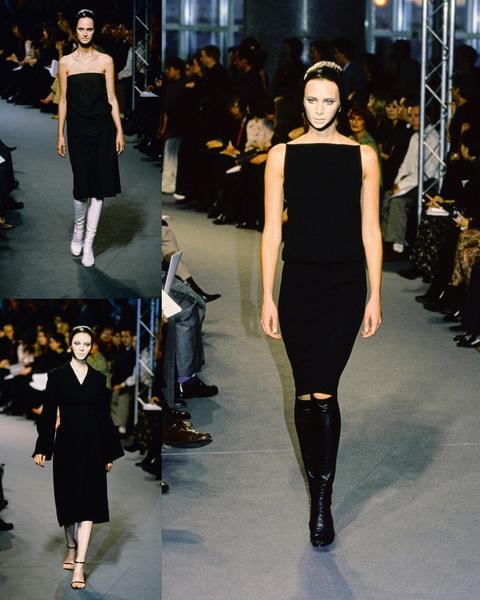
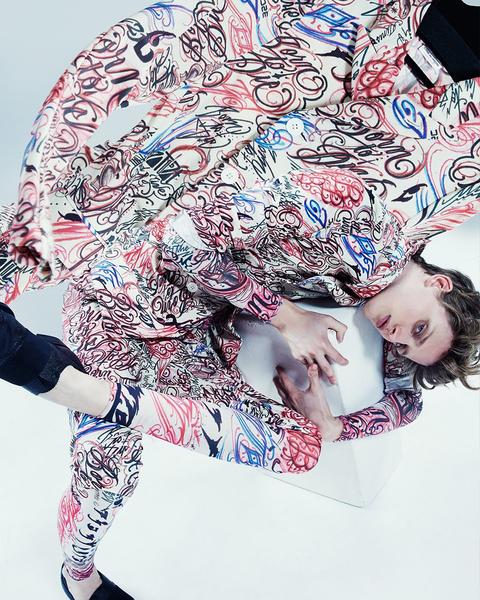
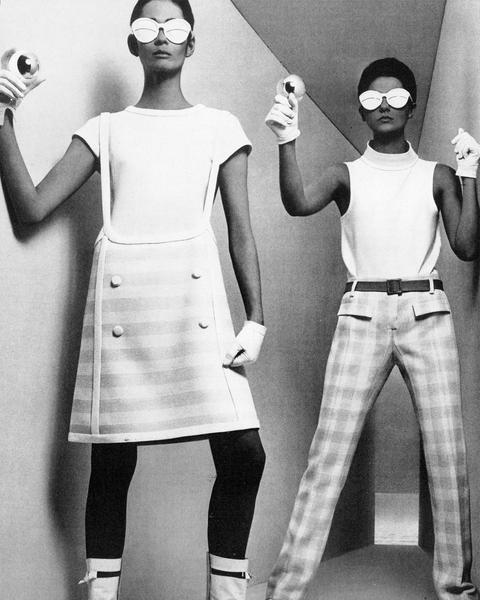
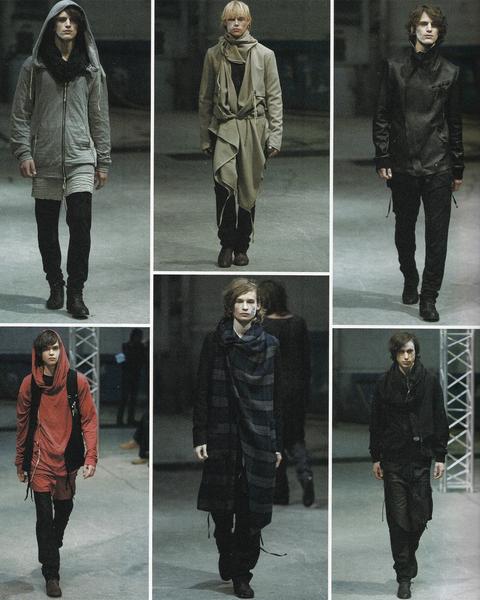
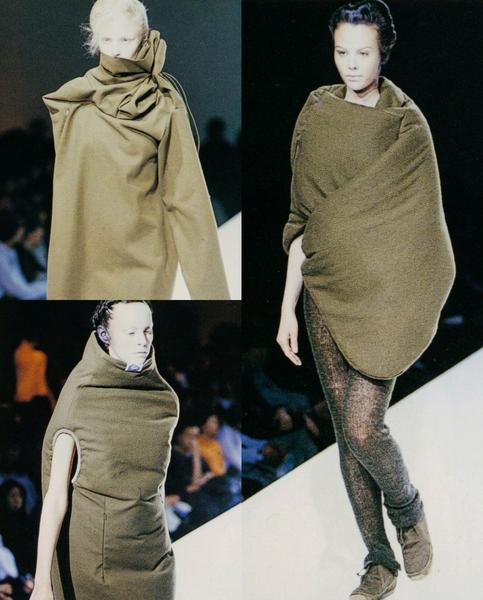
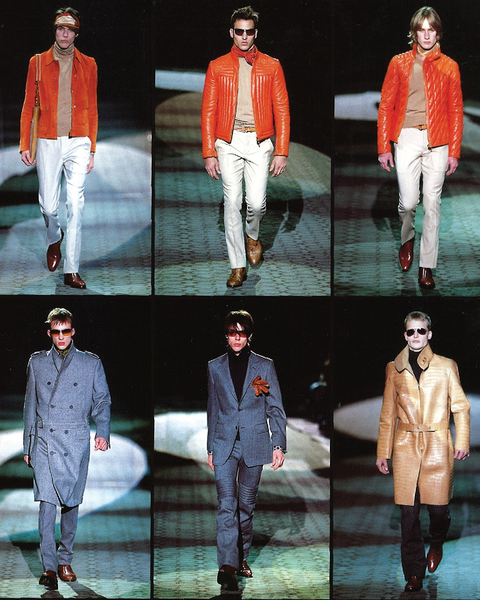
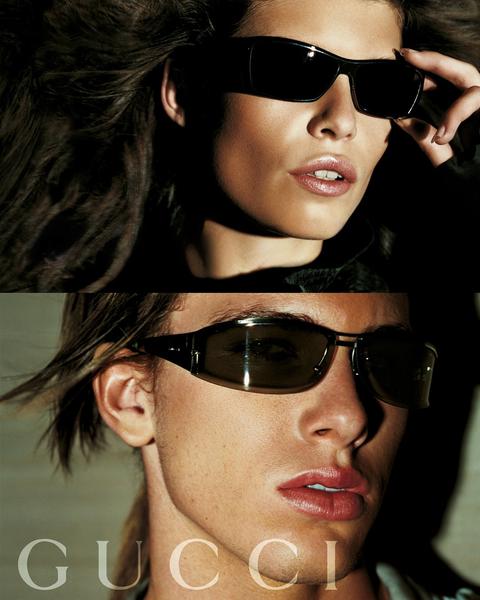
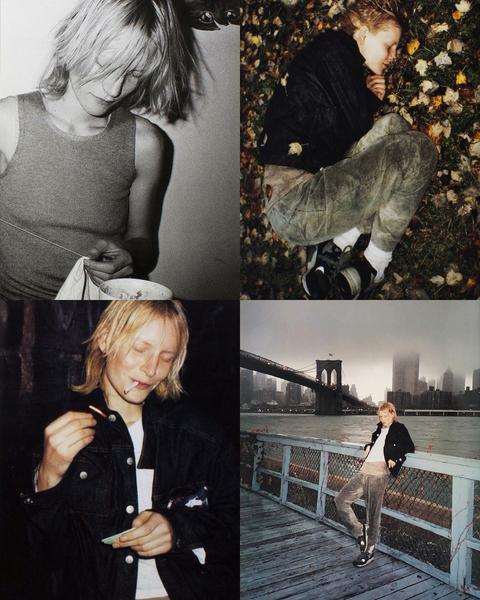
Most famous of Teller’s fashion contributions are his works with the likes of Helmut Lang, Vivienne Westwood, and Marc Jacobs. The backstage photography, editorials, and advertisement campaigns are all commonly referred to as raw, perhaps a bit reductively. It’s true, his work is overexposed and unflattering, lightly edited, a touch awkward and deeply ironic, a rejection of the fashion imagery canon that preceded him; however, his photography contained a sense of intimacy and desire that Teller himself described as “very direct”, an intentional focus inspired by his Bavarian upbringing.
Outside of commercial fashion photography, Teller also had a series titled Go-Sees, a collection of 462 photographs flipping the “go-sees” recruitment process, where instead of Teller traveling to scout models, they’d come to him. Teller photographed each model that came to him over the course of a year, posing them candidly, framed against his studio door with minimal direction. The body of work explored the power dynamic that laid between photographer and model, man and woman, and the way in which female bodies are commodified in the fashion industry.
Most famous of Teller’s fashion contributions are his works with the likes of Helmut Lang, Vivienne Westwood, and Marc Jacobs. The backstage photography, editorials, and advertisement campaigns are all commonly referred to as raw, perhaps a bit reductively. It’s true, his work is overexposed and unflattering, lightly edited, a touch awkward and deeply ironic, a rejection of the fashion imagery canon that preceded him; however, his photography contained a sense of intimacy and desire that Teller himself described as “very direct”, an intentional focus inspired by his Bavarian upbringing.
Outside of commercial fashion photography, Teller also had a series titled Go-Sees, a collection of 462 photographs flipping the “go-sees” recruitment process, where instead of Teller traveling to scout models, they’d come to him. Teller photographed each model that came to him over the course of a year, posing them candidly, framed against his studio door with minimal direction. The body of work explored the power dynamic that laid between photographer and model, man and woman, and the way in which female bodies are commodified in the fashion industry.